
During my stint at Tenity, I met a guy named Jamie. Jamie is a startup veteran and the kind of seasoned adventurer that makes you question your life choices. He once completed the Mongolian Rally: a 40,000 km journey to Mongolia and back in a car worth less than $1,000.
An absolute mad lad.
Before I set off on my own motorcycle adventure from Switzerland to Kazakhstan, he gave me one piece of golden advice:
“Bring a stack of $1 bills. Perfect for paying for snacks, bribes, or anything when local currency is scarce.”
It sounded like the ultimate insider tip. The kind of wisdom you only get from the guys who have “been there, done that.” So, naturally, I listened.
The Cheat Code That Wasn’t
Fast forward to the road. I had $200 in singles stacked in my pocket. I was riding through Central Asia feeling like I’d unlocked a cheat code. I was ready to grease palms and buy snacks like a 1980s Wall Street broker on a safari.
Spoiler: absolutely nobody cared.
Not the locals. Not the exchange offices. Not even the Taliban.
My “emergency currency” quickly became an emergency paperweight.
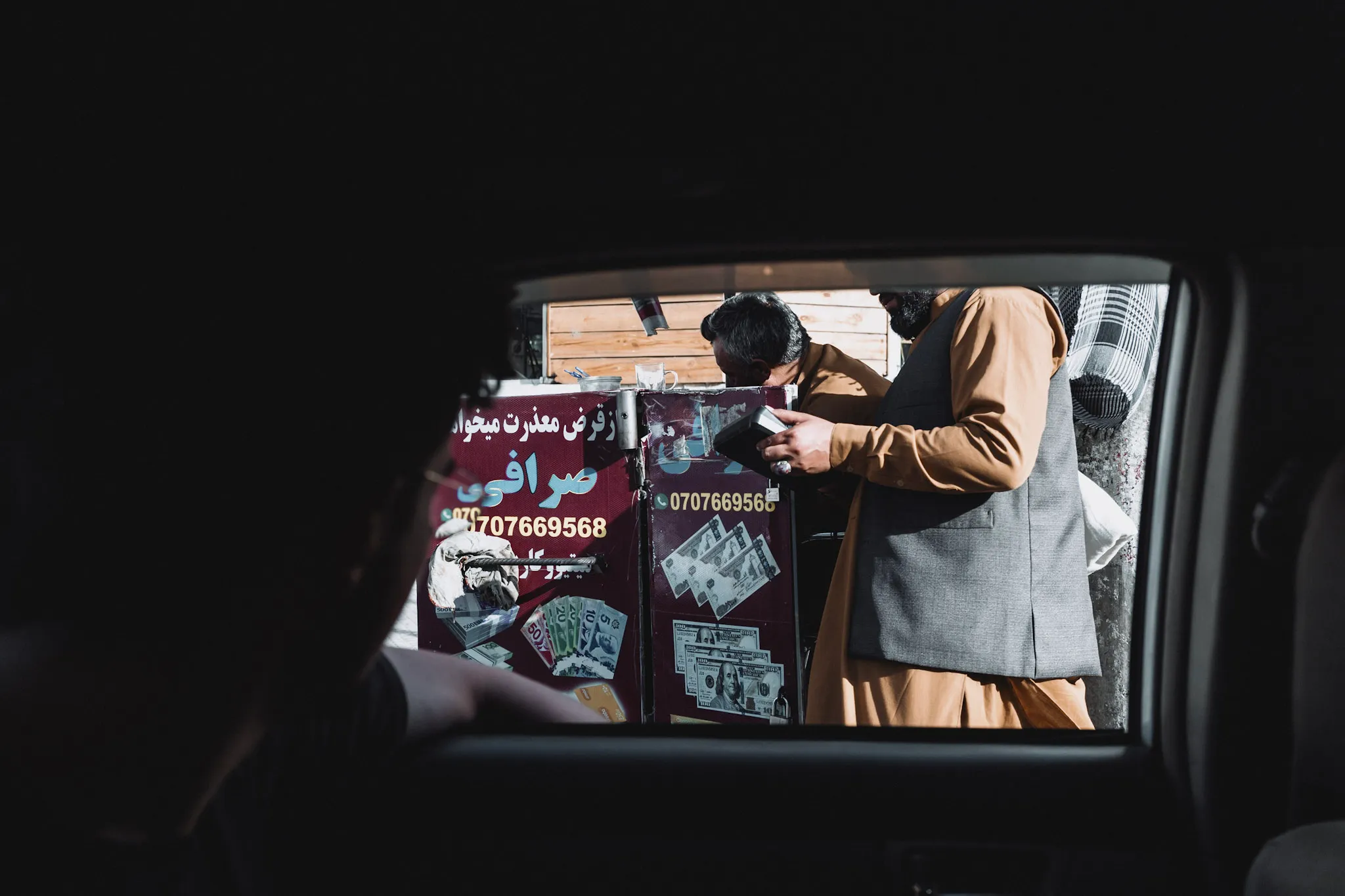
I vividly remember standing at the Afghan-Tajik border. It was 46°C. I had no water left. I was desperate to buy a few bottles from a local vendor. I flashed the Greenback.
“Dollar niet.”
There I was, sweating through my gear, holding a fistful of the world’s reserve currency, and I couldn’t trade it for a bottle of warm water.
Meanwhile, half the cars zooming past me in Tajikistan were Chinese electric vehicles. In hindsight, I should have brought Yuan or setup Alipay. But that’s a story for another day.
In that moment, my stack of cash felt like Google Glass: a great idea in the boardroom, but a total failure in the field. Google was early. I was late. But you get the point.
The Paperweight Paradox
It was a reality check, harsh and immediate. And it reminded me of a trap I used to get stuck in as a student at ETH Zürich.
I now call it The Paperweight Paradox.
The paradox is simple: You spend weeks, months, or even years collecting “book” or “on paper” knowledge—every hack, every framework, every “10 lessons from X,” every fireside chat. You hoard these intellectual $1 bills thinking they are valuable currency.
But until you actually use them, that knowledge isn’t currency. It’s just a paperweight. It sits there, heavy and useless, weighing you down while you wait for the “perfect” moment to spend it.
I treated second-hand learning like a checklist I had to complete before I was allowed to start doing anything real. Meanwhile, the people who actually moved ahead were the ones learning by doing. They were the ones collecting insight through attempts. They were out there building, messing up, fixing, iterating.
While I was still trying to internalize everyone else’s wisdom, they were busy creating their own.
The Messy Middle
That’s the thing with advice. It’s useful, until it isn’t.
The lessons that actually stick are the ones earned on the terrain, in the messy middle, when the plan falls apart and you’re forced to improvise your way forward. The road is a brutal but honest teacher.
”Ich verstehe nur Bahnhof”
Somewhat unrelated, but still kinda related, it was out there that I realized relying on Big Tech’s default tools in extreme environments is exactly like bringing dollars to Tajikistan. It works in theory (“on paper”), but when the heat is on, you’re just holding a useless piece of paper.
You need tools built for the terrain.
Take Google Translate. If you rely on it offline in remote regions, good luck. It still thinks “Ich verstehe nur Bahnhof” literally means “I only understand train station.” (For those who don’t know, it’s a German idiom that means “I don’t understand anything.”)
Now, imagine using that quality of translation to explain to an Iranian IRGC officer why you have a meme of Trump and Putin dressed up as Ayatollahs on your phone.
The stakes are slightly higher than ordering a beer.
That’s why I’m building Nomad Translate.
It’s an offline-first translation app made for travelers in remote regions with sketchy internet. It’s designed to actually work when you’re stuck at a border in critical situations, unlike my stack of dollar bills.
I need some testers before Google lets me publish it to the Play Store. So, if you have an Android phone and want a tool that won’t ghost you when you need it most, I’d love your help.
👉 Join the beta here: Nomad Translate